
Everyday briefs and undershorts: fit, fabric and when to wear which
The basics everyone owns and few think about. How a brief should fit, what undershorts are for, and when to replace them.

Briefs and undershorts are the most-worn, least-considered things in a drawer. They are also the easiest to get right — once you know what to look for.
The everyday full coverage brief
Ours are a classic brief cut in soft, stretchable cotton lycra. Full coverage means secure all-day comfort; the cotton keeps them breathable through long, warm days; and the smooth finish is designed to reduce visible lines under most outfits.
They come in charcoal black, blue, grey and coral red.
How a brief should fit
- The waistband sits flat and gently — no rolling over, no deep mark when you take it off.
- The leg openings follow the crease of your leg without cutting in.
- It stays in place when you sit, walk and climb stairs. Riding up usually means it is too small.
- No loose, baggy fabric at the back, which means it is too big.
If you are between sizes, go up. A brief that is slightly roomy is far more comfortable than one that pinches all day.
What undershorts are for
Undershorts are short, close-fitting shorts worn underneath your clothes. They give you:
- Coverage under dresses, skirts and long tops — no worrying about wind, stairs or sitting on the floor
- Comfort in the heat — many women wear them to stop the thighs rubbing on hot, humid days
- A smooth line under fitted kurtis and dresses
Ours are soft, stretchable cotton lycra with a comfortable mid-waist fit, made for a smooth, no-visible-lines look under outfits. They are just as comfortable for travel and lounging.
Choosing colours
Under light or sheer clothes, choose the shade closest to your skin tone, not white — white shows through; skin tone disappears. Darker colours are best kept for darker clothes.
Care and replacement
- Wash after every wear, in cool water with a mild detergent.
- Skip fabric softener: it coats cotton and makes it less absorbent.
- Dry in the shade or indoors.
- Replace them when the waistband stops springing back or the fabric thins. For pieces worn every week, that is usually within six to twelve months.
Keep enough to rotate — a week's worth plus a couple of spares means nothing is worn again before it has fully dried.
Shop this guide
- Everyday Full Coverage Briefs — classic brief cut in cotton lycra
- Cotton Lycra Undershorts — for dresses, skirts and hot days
- Everyday Essentials Pack — 2 Bras + 2 Briefs — the basics together
Frequently asked questions
How often should I replace my underwear?
Every six to twelve months for pieces in regular rotation, or sooner if the waistband stops springing back or the fabric thins.
Is cotton or synthetic underwear better?
For everyday wear in a hot climate, cotton-rich fabric. It breathes and absorbs moisture, which keeps you more comfortable and fresher through the day.
What are undershorts worn for?
Coverage under dresses, skirts and long tops, and to stop the thighs rubbing together on hot days. They also give a smoother line under fitted outfits.
How many pairs of underwear do I need?
At least a week's worth plus a couple of spares, so nothing is worn again before it has fully dried.
Why does my underwear ride up?
Usually because it is too small, or the leg openings cut in. Try the next size up.
- panties
- briefs
- undershorts
- fit
- cotton lycra
Keep reading

Fit & Sizing3 min read
Her first bra: a calm, practical guide for parents
When to start, what a starter bra is, how to find the right size together, and how to make the whole thing feel ordinary rather than awkward.
Fit & Sizing4 min read
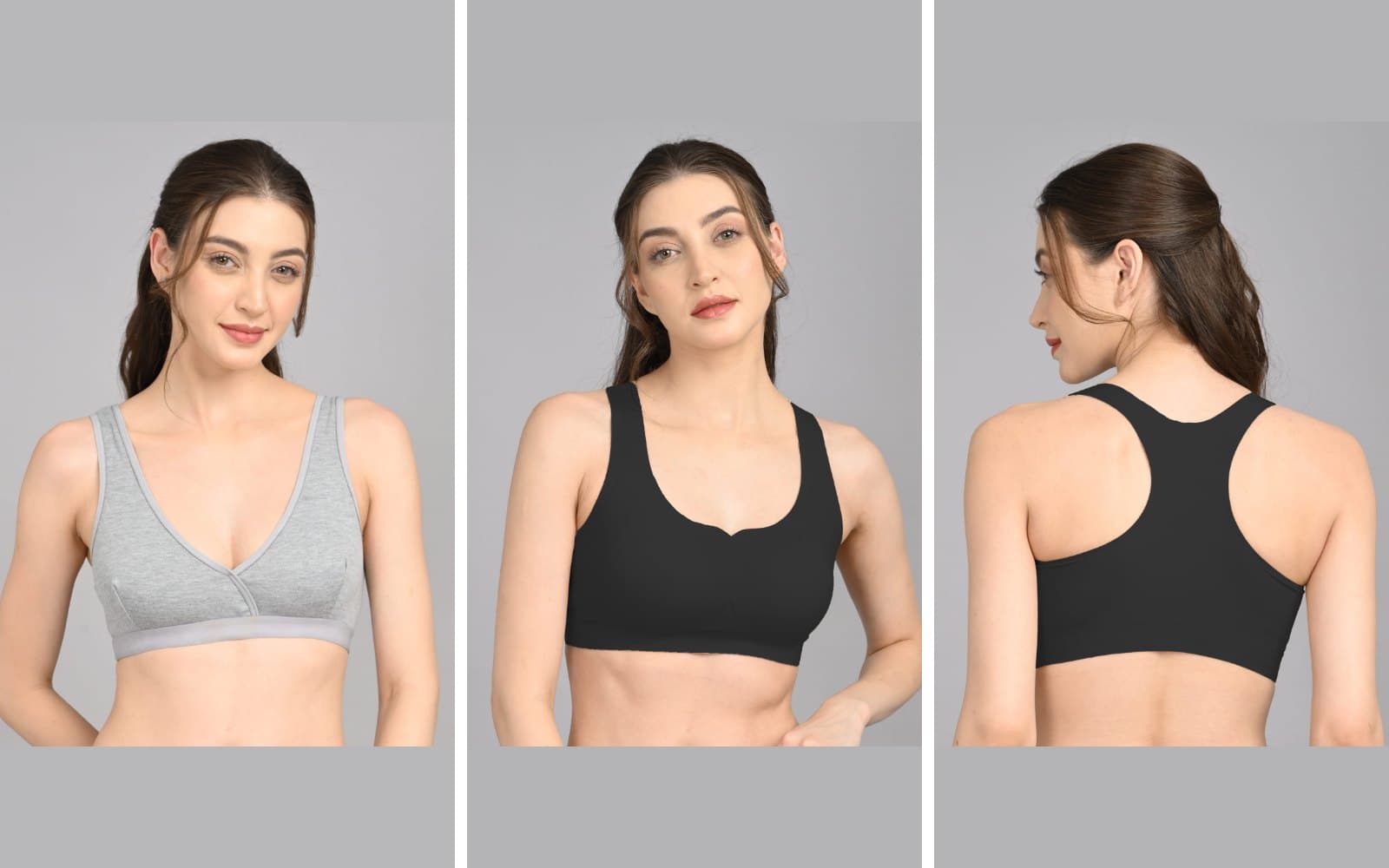
Sports bra, racer back or everyday bra: which one, when
Different bras are built for different days. How to match the bra to the activity — and what to look for when you need more support than ours give.

Fit & Sizing5 min read
How to measure your bra size at home
You need a tape, a mirror and two minutes. Here is the method professional fitters use, and why the band matters more than the cup.